
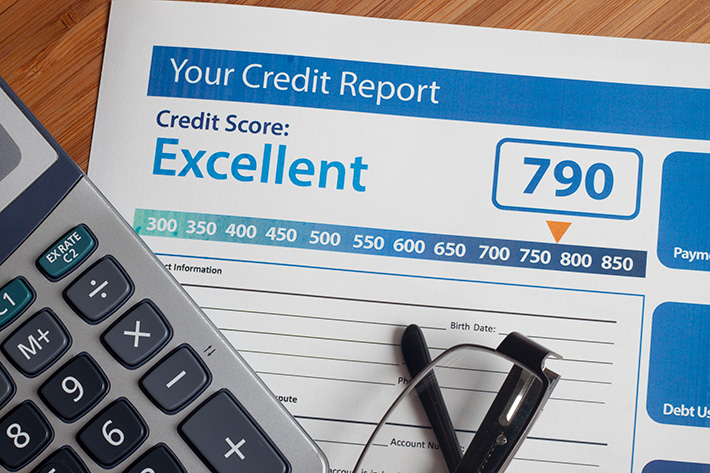
Your credit report and the resulting credit score are used by lenders for everything from determining home and car loans rates to determining insurance premiums, securing a new job or renting an apartment. Your credit report and credit score are an important financial tool. If you don’t have a good credit score, repairing your credit is possible. It takes an understanding of how to build a good credit history, a commitment and actions to getting your financial life back on a good foundation and a certain amount of time to show credit worthiness.
Personal bankruptcy may be one of the first steps to gaining control of your finances.
There are companies that promise they can repair your credit and erase any negatives, such as bankruptcies, liens and late payments.
The Federal Trade Commission (FTC) warns that if a company promises to do these things, it is highly likely that you might become a victim of fraud.1 The FTC also warns that you might be scammed if the company insists you pay them upfront; if they instruct you not to contact a credit reporting company directly or to give false information on a credit application, or if they want you to dispute information on your credit report which you know is actually true.2 A credit repair company should also explain your legal rights and tell you exactly what they can do for you.
If you have gone through a bankruptcy and are trying to understand how credit works so that you can move forward, the following information will help.
Knowledge about how your credit score is developed will help you to understand how to improve your credit score. The credit score used by 90 percent of the top lenders is the Fair Isaac Corporation, or FICO, credit score.3 FICO scores range from 300 to 850. A score of 300 to 580 would prevent you from obtaining a mortgage. To get a good interest rate on a mortgage your credit score would need to be 670 or higher.4
There are five elements that make up a FICO credit score. The majority of the score, 35 percent, is based on your payment history. An additional 30 percent of your score is based on the amount of money you owe lenders. How long you have had credit accounts for 15 percent of the score. Ten percent of the score is based on how much new credit you have. The final 10 percent of the score is based on the mix, or types of credit you have.
Two of the most important things you can do to repair or improve your credit score are to review your credit report and to dispute any incorrect information on the report. If you have filed bankruptcy, your credit report will need to improve in order to secure a new financial future.
Your credit report is a report card on how good you are at repaying debt – now and in the past, what your current debt looks like and how well you manage your credit. You are entitled by law to get a copy of your credit report every 12 month from each of the three main credit reporting agencies which include Experian, Equifax and TransUnion.
To get your credit reports go to www.AnnualCreditReport.com and make sure you are on that exact website before you provide any personal information, such as your name and social security number. When reviewing your credit report be on the lookout for any information that is not yours and any information that is yours, but is inaccurate or incomplete. The Consumer Financial Protection Bureau warns consumers that common credit report errors include identity errors, incorrect reporting of account status, data management errors and balance errors.5
The third most important thing you can do to repair or improve your credit score is to pay your bills on time, as almost one-third of your credit score is based on your payment history. Late and missed payments can dramatically lower your credit score. The bigger the debt and the more recent the missed payment, the lower your credit score so you should strive to pay on time, especially on your larger debts.6 Debt solutions such as filing for bankruptcy will be the beginning of repairing your decimated credit.
If you are carrying a significant amount of debt, you can raise your credit score by paying down that debt, as the amount of debt you are carrying makes up an additional 30 percent of your credit score. Improving your credit isn’t easy so it is advisable to seek expert credit counseling advice and/or to speak with a bankruptcy attorney who can help you better understand your current situation and your options for improving your financial situation.
Hines Law in Massachusetts can help you restructure your overwhelming debt through personal bankruptcy. We specialize in Chapter 7 to help eliminate unsecured debt and Chapter 13 which provides protection as you pay back debt you owe through a repayment plan. Deciding which is the right choice for you depends on your debts, assets, and your income. Our Bankruptcy Lawyers in the greater Boston area understand the bankruptcy laws and can help guide you through the process, so that you avoid problems and benefit the full protection you deserve. Call and speak to an attorney today, Free!