
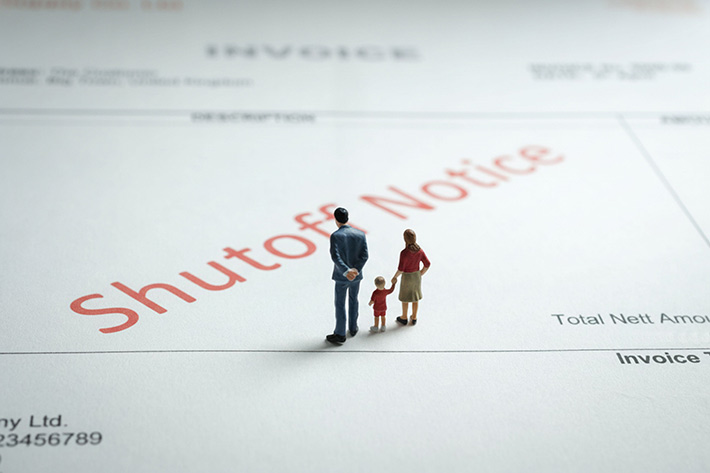
A notice regarding the shutting off of a utility can make financial stress seem immediate. Credit card bills might remain in a pile for a length of time. While medical debt can be very annoying, it generally doesn’t impact the lights this evening. A letter from a utility company, on the other hand, is different since it has a direct effect on the home.
When overwhelming debt threatens your household’s basic needs, it may be time to consider whether bankruptcy can help.
If a family is already in arrears with their rent, car payments, or other essential bills, then a notice about a service being disconnected can make all the problems seem extremely urgent at the same time.
Some people might begin making partial payments, keep calling the utility company, or take out a loan just to manage having the service going for another week – a temporary fix.
A larger financial problem needs to be addressed and timing is important. You should know both what filing can and cannot do and why it is necessary to talk to a bankruptcy attorney about your utility bills before the service is cut off.
Why Utility Debt Needs Quick Attention
Utility debt usually accumulates gradually. What starts as a single large bill eventually leads to a payment arrangement. Keeping that payment plan then becomes more difficult. Another bill comes in before the previous balance has been settled. When the notice about a service cutoff finally shows up, the household might already be dealing with a number of other debts.
The number of hardship schemes or payment plans available to a utility company tends to decrease the closer the date of the service cutoff gets. Delaying until the last moment can result in fewer options and greater pressure.
It isn’t always the proper solution to have unpaid bills declared bankrupt. However, if you have utility debt as part of a bigger financial difficulty, it might be worthwhile to look at the entire matter rather than regard the shutoff notice as a separate emergency.
What Bankruptcy Can Do For Past-Due Utility Bills
When you apply for bankruptcy, most collection actions come to a halt immediately since there is an automatic stay, and the bankruptcy laws also provide special treatment to utility services.
Generally, a utility company cannot stop providing service simply because you have filed for bankruptcy or because you had outstanding bills for the service before filing. This protection allows a household some time to deal with a shut-off notice that is related to an old balance.
The breathing room is valuable but by no means unlimited; the utility might require some assurance of future payment. In numerous cases involving consumers, this could take the form of a deposit or some other kind of security. If that requirement is not met within the specified time frame, the utility may proceed with disconnecting the service.
It is here that a great many people misunderstand the safeguards. Although bankruptcy can provide a solution to the problem of old debts, the household will still have to be prepared to meet the services in the future.
Current Bills Still Matter After Filing
The fact is that bankruptcy does not result in utilities being free; people are still required to pay any bills that arise after the date of filing.
That point is important; the outstanding balance left over before the case can be dealt with in the bankruptcy, according to the chapter and the particulars of the debt. However, new monthly bills are different. If the household goes behind again after filing, the utility may have rights on the basis of the new nonpayment.
A well-thought-out plan should take into account both aspects: how to deal with the existing balance and how to ensure that the current bill remains manageable once the case starts.
That could involve looking at the income, the expenses, the timing of payments, and checking whether the household budget is able to pay for ongoing utility bills without having to use credit cards or short-term loans.
Chapter 7 And Utility Bills
Chapter 7 could eliminate a large number of unsecured debts and thus make the money available for essential expenses. If the overdue balance on utilities is regarded as unsecured debt, then it could be included in the case.
For a person who is being disconnected due to an old balance, Chapter 7 could soon reduce the pressure from creditors. However, the household will still have to meet any deposit requirement and keep up with the new bills.
Chapter 7 can be of use in cases where the main problem is unsecured debt making it impossible to afford ordinary living expenses. When credit card bills, medical bills, and debts from collection agencies are eating into the budget, paying off those debts may make it easier to maintain a stable household in the future.
Chapter 13 And Utility Bills
Chapter 13 could be a sensible option if the family needs a formal repayment plan; it is in particular useful when utility debt is just one aspect of a more general problem which also involves mortgage arrears, vehicle debt, or other commitments that take time to sort out.
In Chapter 13 you deal with overdue debts by means of a plan, the specifics varying according to the kind of debt and the person’s financial position. Just as in Chapter 7, you are required to pay the current utility bills after the case has started.
For someone with a steady income, Chapter 13 might provide a more structured course of action.
What To Gather Before Speaking With An Attorney
Before a bankruptcy consultation, gather the shutoff notice, recent utility bills, payment plan paperwork, and proof of household income. It also helps to bring a list of your debts and creditors.
Explore Your Bankruptcy Options Before a Utility Shutoff
A utility shut off is more than an overdue bill and needs to be addressed before it happens. Speaking to a bankruptcy attorney early on gives you more time to understand your options.
Hines Law Offices is a Massachusetts bankruptcy Firm that can review your utility shutoff notice, explain how Chapter 7 or Chapter 13 may apply, and help you decide whether bankruptcy gives a practical way to protect your household while addressing the larger debt problem. Call to schedule a free consultation with an experienced bankruptcy attorney today.