
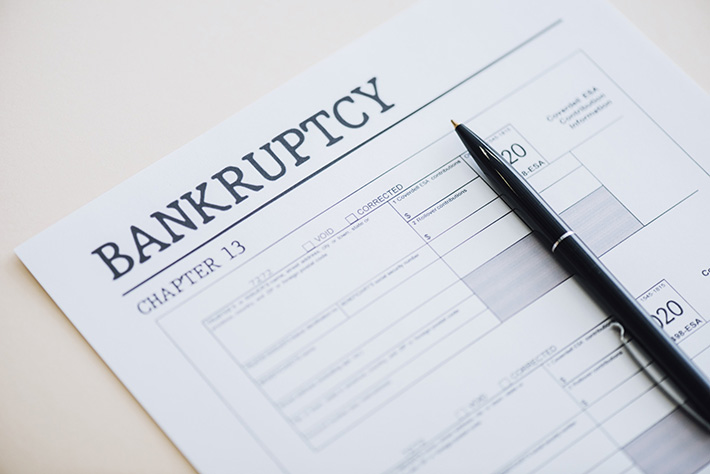
Chapter 13 bankruptcy, often termed the “income-based repayment plan,” allows those with steady earnings or income to lay out a payment plan for settling either all or most of their debts. It grants debtors the opportunity to propose a payback scheme, detailing their method of repaying their lenders within three to five years, rooted in their regular income.
For debtors whose earnings fall under the state’s median, the timeline for repayment is generally three years, although the court can prolong it if there’s a legitimate reason. On the other hand, for those earning above the median, they’re obliged to adhere to a five-year plan.
Unlike Chapter 7 that liquidates assets to erase debts, Chapter 13 emphasizes debt restructuring, creating a safety net for those looking to protect against home foreclosure.
Benefits of Chapter 13 Bankruptcy
Chapter 13 bankruptcy comes packed with many benefits, qualifying it as an appealing choice for many types of debtors. One of the prominent perks is the chance it offers for individuals to avoid home foreclosure by slowly offsetting delayed mortgage payments.
Furthermore, Chapter 13 can safeguard co-signers against creditor actions by merging all debt repayments into one monthly transaction to the Chapter 13 trustee, thus modifying debts to more manageable amounts and terms.
This can involve lengthening the terms of debts to lower monthly payments and even discharging some debt if repaying the full amount within the plan’s timeframe is impractical.
Knowing it’s the Right Choice
Deciding on Chapter 13 requires a careful evaluation of your financial situation, goals, and the specific types of debts you owe. This option is particularly suited for individuals with stable income who struggle to meet the terms of their current debt repayments. It is especially beneficial for those who are behind on secured debts, such as mortgage or vehicle loans, and wish to retain possession of these assets.
Moreover, individuals burdened with non-dischargeable debts, like certain tax obligations or child support, might find Chapter 13 advantageous as these debts can be integrated into the repayment plan.
Look for a Trusted Bankruptcy Attorney
A bankruptcy lawyer is essential in maneuvering the intricacies of Chapter 13 bankruptcy. They can help dissect your financial landscape, gauge if Chapter 13 is the most favorable option, and create a practical repayment strategy. Lawyers will take care of the requisite legal documents, stand in for you in court, and liaise with your lenders. Their proficiency ensures your repayment strategy is just, doable, and in accordance with bankruptcy norms, bolstering the likelihood of court sanction.
The Frequency of Personal Bankruptcy
Personal bankruptcy is frequent due to several reasons like unforeseen medical bills, job redundancy, separation, and economic slumps. These incidents can swiftly lead to financial turmoil, making it hard for people to fulfill their debt commitments.
Bankruptcy presents a legal route to control or eradicate crushing debts and start over. The provision of chapters like Chapter 13 enables people to tackle their debts without forfeiting all their possessions, thus offering a safety cushion during financial predicaments.
Put simply, Chapter 13 bankruptcy is a handy method for consistent income earners to rearrange their finances and reclaim their monetary stability. Its perks, such as safeguarding one’s house and remodeling debts, lend it to be a preferable choice for many.
Bankruptcy Representation Near You
Speaking to a bankruptcy lawyer at Hines Law will help guide and inform you about your options so that you can make an informed decision about your debt solution. Hines Law is a full-service personal bankruptcy law firm with several locations throughout the greater Boston area. Call to set up a Free Case evaluation and experience representation with compassion and clarity.