
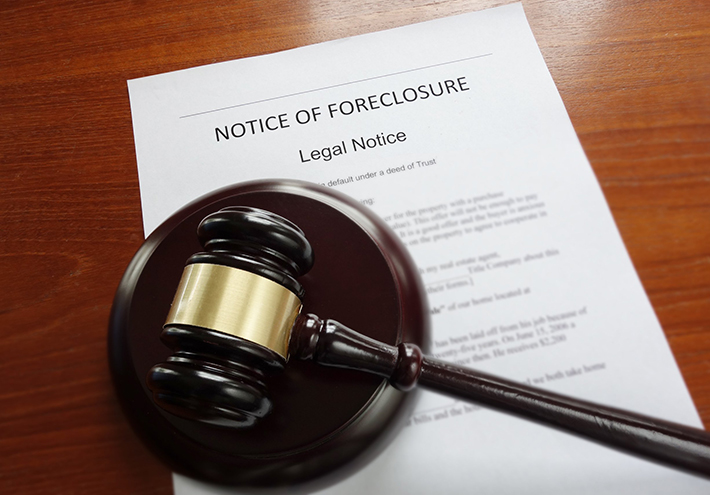
Your mortgage payment is probably the most expensive and challenging to make, especially if you’re struggling financially. If you’ve been struggling to make mortgage payments or missed one, you may wonder what will happen next. Lenders will often work with homeowners to stay in their homes. This is a time to explore debt relief options such as bankruptcy to see if you can save your home before it’s too late. However, if not possible, the lender will take steps to take possession of the property through foreclosure.
What is foreclosure and how does it work?
Foreclosure is a way for the lender to get the amount owed on a defaulted loan by taking the property used as collateral and selling it at auction. If the property doesn’t sell, the lender keeps the property, and then it will be listed for sale by a real estate agent.
There are many reasons why people fall behind on their mortgage payments. If this has happened to you for any reason, don’t wait until it’s too late. Talk to your lender and see how they can help you. This guide will go through each of the six phases and what you can expect during each one. It’s essential to call a professional such as a bankruptcy attorney for advice before this process begins.
Phase One – Payment Default
This occurs when the borrower misses at least one mortgage payment. Once the first payment is missed, the lender will reach out to you by phone or letter. If you are late on your income, the lender will charge a late payment fee and send a missed payment notice.
If you miss two payments, the lender will probably follow up via telephone. At this point, they are probably still willing to work with you and make payment arrangements to help you catch up. This may end up with them asking you to make one payment to prevent falling farther behind.
If you miss a third payment, the lender will typically send a demand for payment letter or notice stating the amount you are behind, and the borrower will have 30 days to bring the mortgage current. If the borrower makes no attempt to catch up on their mortgage and misses the fourth payment, the mortgage may be in default, and the lender will start taking steps to repossess the property.
A mortgage default can have three outcomes:
● Return to good standing
● Be modified
● Property repossessed, sold, or surrendered
Phase Two – Notice of Default
A notice of default (NOD) is sent after the fourth month of missed payments. This public notice gives borrowers 30 days to become current on their mortgage payments before starting the foreclosure process. Most lenders will wait until the borrower is 90 days past due before starting the foreclosure process.
Phase Three – Notice of Trustee’s Sale
Depending on the state, the process for initiating foreclosure is different. Though forms need to be filed with the court or necessary approval is met, the lender’s attorney or foreclosure trustee will schedule a sale of the property. A notice of sale is then published in the county where the property is located, stating when and where the sale will take place and the minimum opening bid for the property.
Phase Four – Trustee’s Sale
The property is placed for public auction and will be awarded to the highest bidder who meets all requirements. The lender will calculate an opening bid based on the value of the outstanding loan, any liens, unpaid taxes, and costs associated with the sale. Once the sale is completed, the winning bidder will provide a trustee’s deed.
Phase Five – Real Estate Owned
The lender will set a minimum bid, which considers the property’s appraised value, the remaining amount due on the mortgage, any other liens, and attorney fees. If the property isn’t sold during the public auction, the lender becomes the property owner and attempts to sell it through a broker or real estate asset manager.
Phase Six – Eviction
Once the auction ends, the borrowers are issued an order to evacuate if they are still living on the property. The notice demands that anyone living in the house vacate the premises immediately. Usually, the occupant is given several days to remove personal items from home. If they don’t leave the property, they will remove them, and their belongings will be impounded.
What Role Does Bankruptcy Play?
If you have financial difficulties, you may want to consider filing for bankruptcy. Once you start the filing process, it will temporarily stop the bank from foreclosing on your home. This is true regardless of which chapter you file under. However, in some cases filing for bankruptcy will put a permanent stop to foreclosure, but that will depend on your ability to pay the mortgage.
Many debtors will choose to file Chapter 13 bankruptcies because they are behind on their mortgage and can’t afford the lump sum payment that the bank is demanding. If you are in this type of situation, you may want to consider Chapter 13 bankruptcy because it allows you to pay back the past mortgage balance over time. The past due amounts are broken down into manageable payments and are then added to their monthly mortgage amounts.
Throughout this process, most lenders will try to work with the borrowers so they can get caught up on the loan and avoid foreclosure. If the borrower can catch up on the payment, it’s essential to speak to the lender and make arrangements to become current.
Bankruptcy Help
If you are facing foreclosure and have questions about the process or want to explore your options, the bankruptcy attorneys at Hines Law in Massachusetts can help. We are a full-service bankruptcy firm that has been providing sound advice and affordable bankruptcy options for residents throughout the Boston area. Don’t wait, call for a Free Consultation so that you can take control of your finances, save your home, and establish a secure future.