
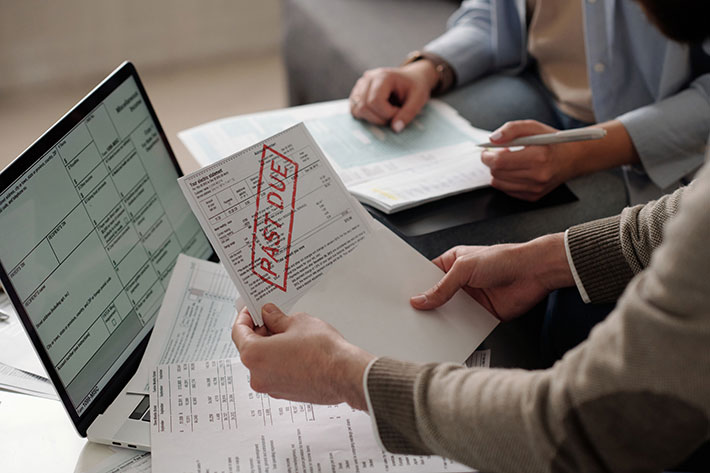
No matter how financially responsible you are, there may be a time when you simply cannot pay your bills on time. Unexpected circumstances such as excessive medical bills, accidents, divorce, or job loss may destabilize your income. Even if the circumstance is temporary and causes hardship briefly, you could still become overwhelmed by debt.
What can you do to get relief from the debts you’ve accumulated?
One option is to file for personal bankruptcy.
Types of Bankruptcies
If you want to end threatening phone calls from debt collectors, avoid wage garnishments, prevent auto repossession, protect your home, and get a fresh start with your financial life, you may want to consider one of two types of personal bankruptcies. These personal bankruptcies include a Chapter 7 or a Chapter 13.
Chapter 7
One personal bankruptcy option is Chapter 7. This is the type of bankruptcy in which you work with a bankruptcy attorney to liquidate your debt. Most people choose this option if they have few assets but an enormous amount of unsecured debt.
You can discharge some old tax debt, credit card debt, personal loans, delinquent utility bills, medical bills, and deficiencies on repossessed vehicles.
A few exceptions exist to this list of debts you can discharge. These include student loans, most tax debt, child support, and specific court-ordered damage awards.
Also, there are some items that you can keep as long as you continue to keep payments current, including your vehicle and home. Once you file this type of bankruptcy, creditors aren’t able to continue to call and harass you.
Chapter 13
Another personal bankruptcy option is Chapter 13. In this type of bankruptcy, you work with an attorney who acts as a mediator to help you pay down your overwhelming debt by restructuring it. Debts aren’t liquidated, so you are on the hook for paying most of them.
However, you pay these debts off on agreed-upon terms until they are paid. This payment plan is usually in place for three to five years.
Under the terms of Chapter 13 bankruptcy, the credit card companies and other lenders will work with what you can pay until the payments are caught up. As with Chapter 7 bankruptcy, you can keep your car and home, and creditors can’t contact you while under the repayment plan.
How Bankruptcy Affects Your Credit
Most people are embarrassed about filing for bankruptcy because they believe it will ruin their credit, preventing them from making important purchases for up to a decade. If you want to purchase a home, a car, obtain credit cards, or do anything else related to creditworthiness, you may be unable to until the courts successfully discharge debt in Chapter 7 or you get your payments back on track in Chapter 13.
With consistent payments that are timely, you may be able to make significant purchases and begin acquiring new credit cards a few years after filing for bankruptcy.
When Will You Be Able to Get Back on Track Financially
It depends on the type of bankruptcy you choose when you’ll be able to get back on track financially. After your debts are discharged in a Chapter 7 bankruptcy, you may be able to get back on track financially within two to three years after the discharge.
If you file a Chapter 13 bankruptcy, you may have some relief once the payoff plan is complete within three to five years. If you get things under control before the limits of the payment plan require, you’ll be able to regain your creditworthiness much sooner.
Talk to a Top Bankruptcy Attorney in Massachusetts
Which option should you choose? It all depends on the severity of your debt situation. Ultimately, it’s best to rely on the expertise of a bankruptcy attorney to help you make the best decision on your bankruptcy.
The bankruptcy attorneys at Hine Law Offices are ready to assist you with choosing the right bankruptcy type so you can get back on the road to financial success. With several locations throughout the greater Boston area, a debt solution is closer than you think.
Call a bankruptcy firm location near you now to schedule a Free Consultation.